

Hearing an unusual noise every time you press the brake pedal can be frustrating. More importantly, it may indicate that something in your vehicle’s braking system needs attention.
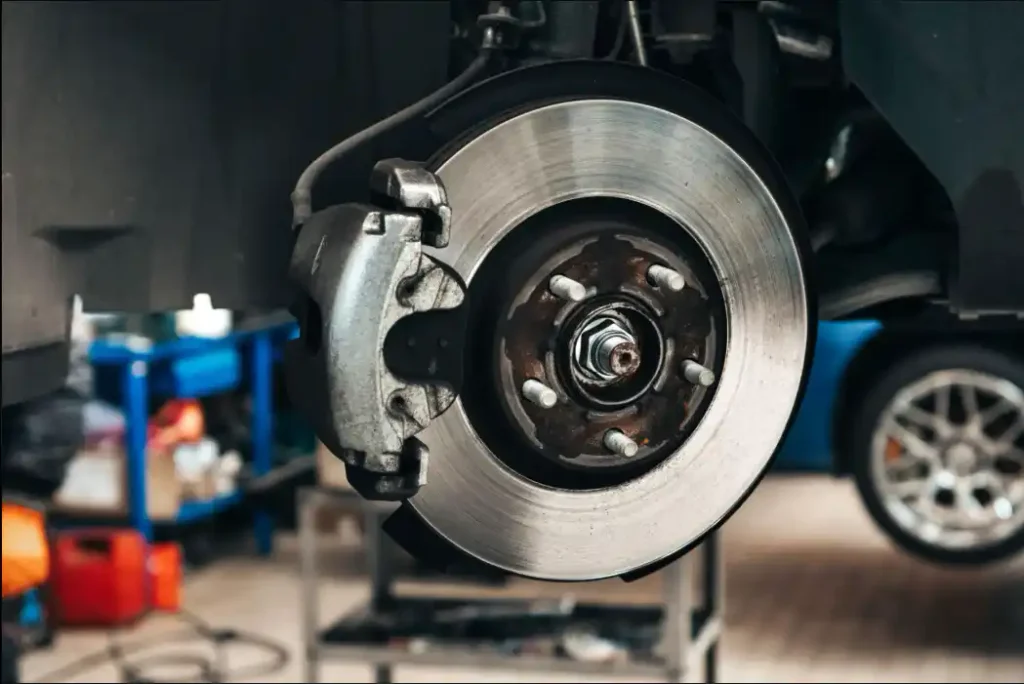
Some drivers notice a high-pitched squeaking sound when slowing down. Others hear a harsh grinding noise that becomes louder when applying the brakes. Although both sounds can indicate brake problems, their possible causes and severity are different.
Some drivers notice a high-pitched squeaking sound when slowing down. Others hear a harsh grinding noise that becomes louder when applying the brakes. Although both sounds can indicate brake problems, their possible causes and severity are different.
Understanding squeaking brakes vs grinding brakes can help you recognize potential brake issues and decide when to schedule an inspection.
In this guide, we will explain what these noises mean, what causes them, when brake pad replacement may be necessary, and how much brake repair can cost in Houston.
1. What Does It Mean When Your Brakes Are Squeaking?
A squeaking or high-pitched squealing sound often comes from vibration or friction between brake components.
In some situations, the noise may be temporary. For example, moisture or a light layer of surface rust can develop on brake rotors after rain, washing your vehicle, or leaving it parked for an extended period.
However, persistent squeaking may indicate worn brake pads or another issue that needs inspection.
Common causes include:
Worn Brake Pads
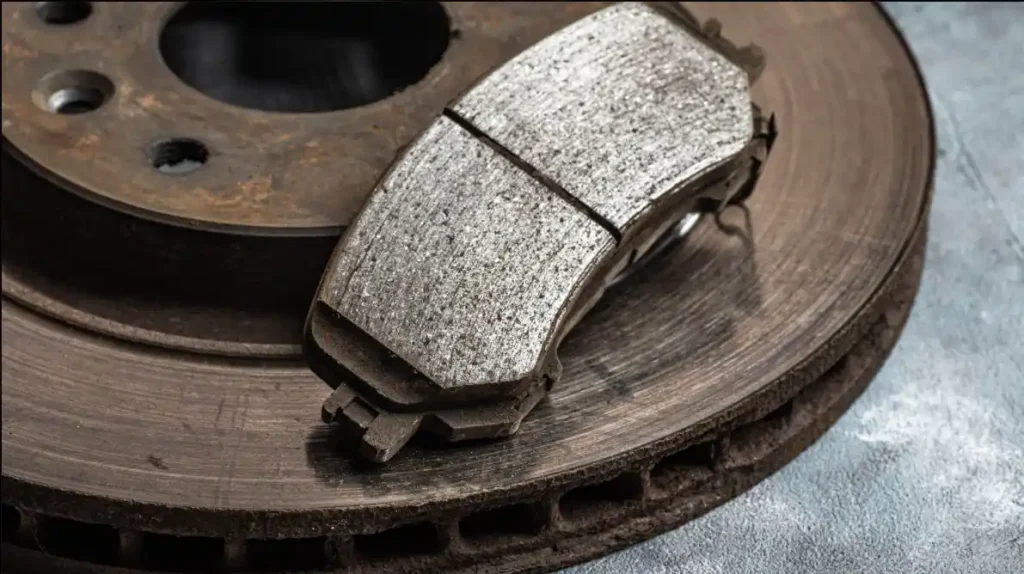
Many brake pads include a small metal wear indicator. When the friction material becomes thin, this indicator can contact the rotor and produce a high-pitched squeal.
This sound serves as a warning that the brake pads may need replacement.
Dust or Debris Between Brake Components
Brake dust, road dirt, or small particles can sometimes become trapped between the brake pad and rotor.
As a result, you may hear squeaking or scraping during braking. An inspection can help determine whether cleaning or additional repairs are necessary.
Moisture or Surface Rust
After driving in wet conditions or leaving your vehicle parked overnight, a thin layer of rust may develop on the rotor surface.
This can create temporary brake noise during the first few stops. Usually, the sound becomes less noticeable as normal braking removes the surface layer.
Nevertheless, persistent noise should not be ignored.
Glazed Brake Pads or Rotors
Excessive heat can create a hardened, smooth surface on brake pads or rotors.
This condition is commonly called glazing. It can contribute to squeaking and may affect braking performance.
Brake Hardware Problems
Loose, worn, or improperly installed brake hardware can allow components to vibrate during braking.
Therefore, replacing brake pads without checking the related hardware may not resolve the original noise.
2. What Does It Mean When Your Brakes Are Grinding?
Grinding brakes are generally more concerning than ordinary squeaking.
A harsh metallic grinding or scraping sound may indicate that the brake pads have worn down far enough for their metal backing plates to contact the brake rotors.
When this happens, the metal-to-metal contact can damage the rotor surface and increase repair costs.
Common causes include:
Completely Worn Brake Pads
Brake pads gradually lose their friction material through normal use.
If they are not replaced before reaching their wear limits, the metal backing plate may contact the rotor. Consequently, you may hear a loud grinding noise when braking.
Damaged Brake Rotors
Deep grooves, severe corrosion, or an uneven rotor surface can contribute to grinding or scraping sounds.
In some cases, the rotors may need resurfacing if they remain within the manufacturer’s thickness specifications. Otherwise, replacement may be necessary.
Stuck or Seized Brake Calipers
A brake caliper that does not move or release correctly may keep the brake pads in contact with the rotor.
This can create continuous friction, excessive heat, uneven pad wear, and unusual noise.
Foreign Objects in the Brake Assembly
Small stones or other debris can sometimes become trapped between brake components.
Although this may create a scraping sound, a proper inspection is needed to distinguish debris-related noise from serious brake wear.
Important: If you hear persistent grinding, notice reduced braking performance, or feel unusual vibration, stop driving when it is safe to do so and arrange a prompt brake inspection. If braking feels unsafe, have the vehicle towed rather than driving it to a repair shop.
3. Squeaking Brakes vs Grinding Brakes: Key Differences
Both noises can indicate problems with your braking system. However, the sound itself can provide useful clues about what may be happening.
Here is a quick comparison:
| Feature | Squeaking Brakes | Grinding Brakes |
|---|---|---|
| Sound | High-pitched squeal | Harsh metallic scraping or grinding |
| Possible cause | Pad vibration, moisture, dust, worn pads | Worn-out pads, rotor damage, trapped debris |
| Severity | Can be minor or a warning of wear | Often more serious |
| Rotor damage risk | Depends on the underlying problem | Higher when metal contacts the rotor |
| Recommended action | Inspect if persistent | Prompt inspection; avoid driving if braking is unsafe |
| Possible repair | Cleaning, hardware service, or pad replacement | Pad replacement, rotor service, or additional brake repairs |
In simple terms, squeaking does not always mean your brakes are failing. Grinding, on the other hand, should be treated as a serious warning.
Still, sound alone cannot confirm the exact problem. A technician needs to inspect the brake pads, rotors, calipers, and related hardware.
4. When Should You Replace Your Brake Pads?
Brake pads are designed to wear down gradually as they create friction against the rotors.
Eventually, they reach a point where replacement becomes necessary to maintain safe and consistent braking.
Watch for these warning signs:
- A persistent squealing sound when applying the brakes.
- Grinding or metallic scraping during braking.
- A brake pad wear warning light, if equipped.
- Reduced braking performance.
- Visible brake pad material becoming very thin.
- Uneven brake pad wear between wheels.
However, there is no single mileage interval that applies to every vehicle.
Brake pad life depends on driving habits, traffic conditions, vehicle weight, brake pad material, and the amount of braking required.
For example, frequent stop-and-go driving in busy Houston traffic may cause different wear patterns than mostly highway driving.
Therefore, regular brake inspections are a practical way to identify wear before it becomes a more serious problem.
5. How Much Does Brake Pad Replacement Cost in Houston?
One of the most common questions drivers ask is how much brake pad replacement costs.
The final price depends on your vehicle, the type of brake pads, labor, and whether the rotors or other components also need attention.
As a general 2026 Houston-area estimate, you may encounter the following price ranges:
| Brake Service | Estimated Cost |
|---|---|
| Brake pad replacement (one axle) | $150–$300 |
| Brake pads and rotors (one axle) | $220–$400 |
| Brake caliper replacement | $180–$370 |
| Brake fluid flush | $70–$120 |
These figures are approximate market estimates, not a guaranteed quote from Zero Pull Alignment. Actual prices can vary depending on the vehicle and the parts required.
What Factors Affect Brake Repair Costs?
Several factors can change the final repair price.
1. Vehicle Make and Model
Some vehicles use standard brake components, while others require specialized parts. Luxury vehicles, performance cars, and certain SUVs may have higher replacement costs.
2. Brake Pad Material
Different brake pad materials offer different levels of performance, noise characteristics, durability, and dust production.
Consequently, the selected pad type can affect the overall price.
3. Rotor Condition
If the rotors are deeply grooved, cracked, warped, or below their minimum thickness specifications, additional work may be required.
Replacing only the pads without addressing damaged rotors may not resolve the underlying problem.
4. Caliper and Hardware Condition
A sticking caliper, damaged hardware, or uneven pad wear may require additional repairs.
For this reason, a complete brake inspection is important before approving any replacement work.
6. Can You Replace Brake Pads Without Replacing Rotors?
Yes, brake pads can sometimes be replaced without replacing the rotors.
However, the rotor condition must be checked first.
If the rotors have an acceptable surface condition and remain within the manufacturer’s minimum thickness specifications, new pads may be installed without rotor replacement.
On the other hand, deeply grooved, severely corroded, cracked, or excessively thin rotors may require replacement.
A qualified technician should measure and inspect the rotors before recommending the repair.
This approach helps avoid unnecessary replacement while ensuring that the braking components work together properly.
7. What Happens During a Professional Brake Inspection?
A professional brake inspection helps identify the actual source of brake noise and determine whether any components need repair or replacement.
Depending on the vehicle and symptoms, an inspection may include:
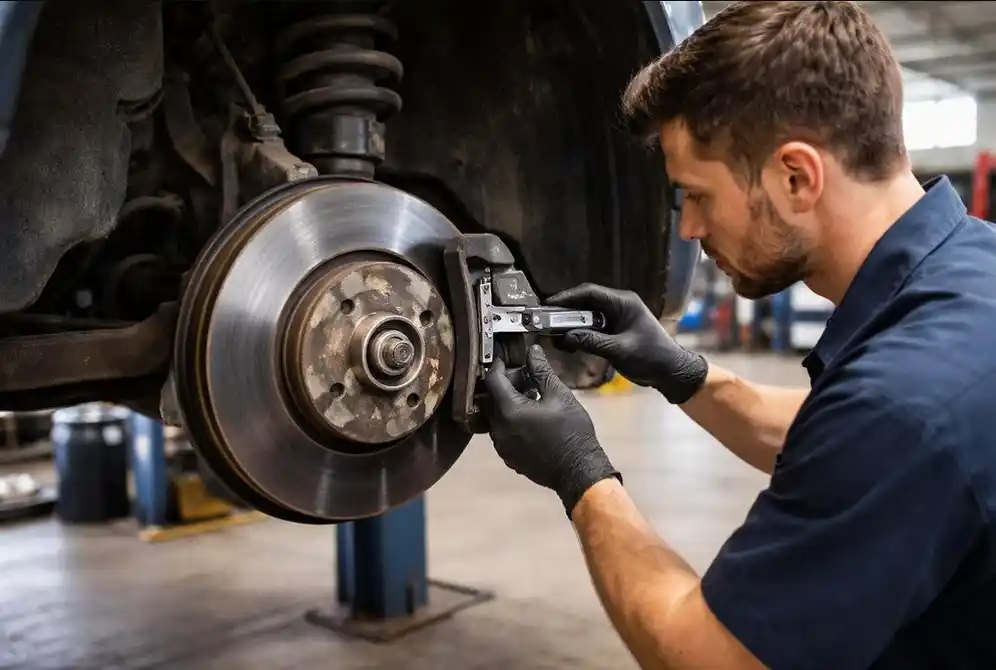
- Brake Pad Inspection: Checking friction material thickness and looking for uneven wear or damage.
- Rotor Inspection: Looking for grooves, cracks, corrosion, and excessive wear.
- Caliper Inspection: Checking caliper movement, pistons, and signs of sticking or leakage.
- Brake Hardware Inspection: Examining clips, shims, mounting points, and related hardware.
- Brake Fluid Check: Checking fluid level and condition.
- Brake Performance Evaluation: Assessing pedal feel and braking behavior when appropriate.
After the inspection, the technician can explain the findings and recommend the repairs that are actually necessary.
8. Why You Should Not Ignore Brake Noise
Brake noise is not just an inconvenience. It can be an early warning that important braking components need attention.
Ignoring persistent squeaking may allow worn pads or other issues to become worse. Meanwhile, continued driving with grinding brakes can cause additional rotor damage.
Consider these possible consequences:
- Increased brake pad and rotor wear.
- Higher repair costs if damaged components are not addressed.
- Reduced braking performance.
- Uneven wear across braking components.
- Potential safety concerns when stopping.
Most importantly, never assume that a grinding sound will disappear on its own.
If your vehicle produces unusual brake noise, arrange an inspection to determine whether it is safe to continue driving.
9. Get Brake Repair in Houston at Zero Pull Alignment
Understanding squeaking brakes vs grinding brakes can help you recognize when your vehicle needs professional attention.
A temporary squeak may result from moisture or surface rust. However, persistent squealing can indicate worn brake pads or other issues. Grinding may signal metal-to-metal contact and possible rotor damage.
If you notice unusual brake noise, reduced stopping performance, or vibration while braking, do not wait for the problem to become more serious.
Zero Pull Alignment provides automotive services for drivers in Houston, TX.
Visit our page to learn more about brake repair in Houston.
You can also contact the shop to ask about a free brake safety inspection and available service options.
Call Zero Pull Alignment: (346) 916-2567
Get your brakes inspected and find out what your vehicle needs to maintain reliable stopping performance.
Frequently Asked Questions
1. Is squeaking or grinding worse for your brakes?
Grinding is generally more concerning because it may indicate that worn brake pads are making metal-to-metal contact with the rotors. However, persistent squeaking can also indicate worn pads or another brake problem and should be inspected.
2. Can I drive with squeaking brakes?
A brief squeak after rain or a car wash may be caused by temporary surface moisture or rust. Nevertheless, persistent squeaking should be inspected, especially if braking performance changes or other symptoms appear.
3. Can I drive with grinding brakes?
Driving with grinding brakes can be dangerous. The noise may indicate severe brake pad wear or rotor damage. Stop driving when safe and arrange a prompt inspection. If braking performance is reduced or unsafe, have the vehicle towed.
4. How much does brake pad replacement cost in Houston?
As a general estimate, brake pad replacement may cost around $150–$300 per axle in Houston. The actual price depends on your vehicle, parts, labor, and whether additional components need repair.
5. Do grinding brakes always mean I need new rotors?
Not always. The rotors need to be inspected and measured. If they remain within the manufacturer’s specifications and their surfaces are suitable, replacement may not be necessary. Severely damaged or excessively thin rotors generally need replacement.
6. Why do my brakes squeak when they are cold?
Moisture, light surface rust, temperature changes, and brake pad vibration can contribute to squeaking when the brakes are cold. If the noise continues after normal driving, arrange an inspection.
7. How often should I get my brakes inspected?
Follow your vehicle manufacturer’s maintenance recommendations. You should also arrange an inspection whenever you notice unusual brake noise, vibration, a soft pedal, warning lights, or changes in stopping performance.
8. Where can I get brake repair in Houston?
Zero Pull Alignment provides automotive services in Houston, TX. Visit its Brake Service Houston page or contact the shop to ask about brake inspection and repair options.
