

Choosing the right brake pads can make a noticeable difference in your vehicle’s braking performance, driving comfort, and maintenance needs. However, different brake pad materials offer different advantages.
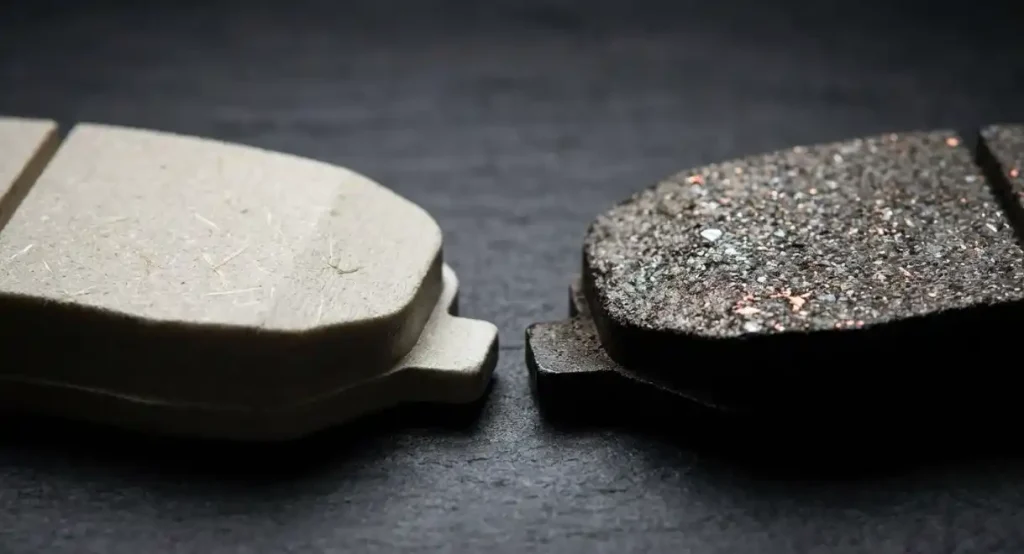
Ceramic and semi-metallic brake pads are two popular options for everyday vehicles. They differ in noise levels, brake dust, heat handling, durability, and braking characteristics. Understanding these differences can help you make a better decision for your vehicle.
If you regularly drive through Houston traffic, commute on highways, or encounter frequent stop-and-go conditions, knowing the difference between ceramic and semi-metallic brake pads can help you choose the right option.
In this guide, we will compare both brake pad types, explain their pros and cons, and help you determine which one suits your driving habits.
1. What Are Ceramic Brake Pads?
Ceramic brake pads use ceramic-based friction materials combined with other components to create the friction needed to slow down your vehicle.
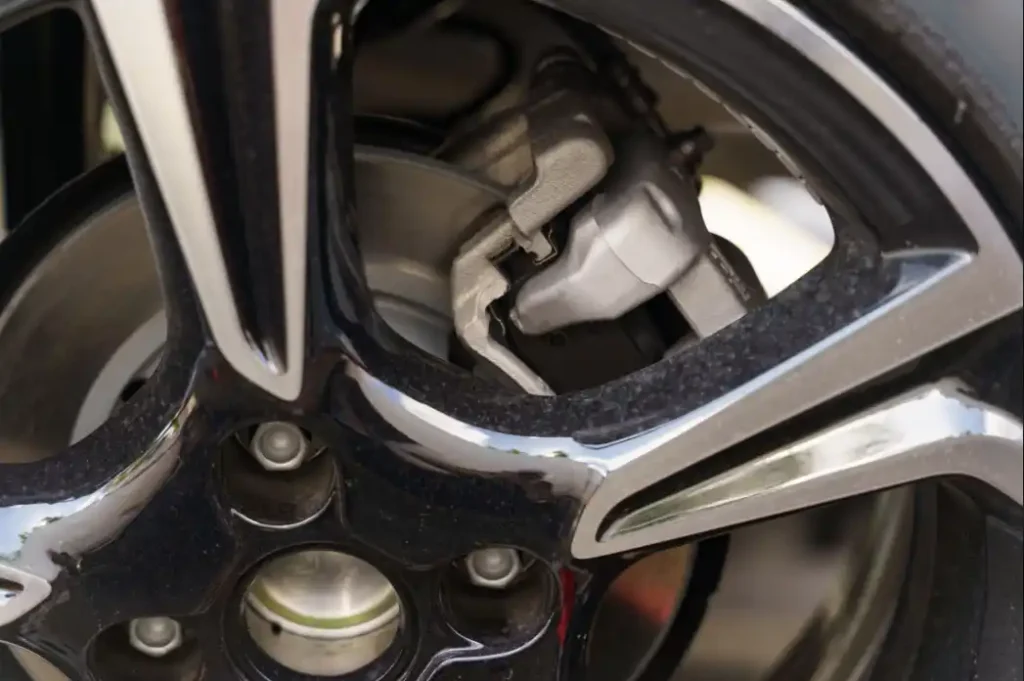
Many drivers prefer ceramic pads because they produce less noticeable brake dust and generally offer quieter braking. Moreover, they provide a comfortable driving experience during everyday commuting and normal highway use.
Benefits of Ceramic Brake Pads
Less Visible Brake Dust
Ceramic pads generally produce lighter-colored dust than many semi-metallic options. As a result, brake dust appears less noticeable on your wheels, helping them stay cleaner between washes.
Quieter Braking
Many ceramic brake pads reduce noise during normal braking. This benefit makes them a popular choice for drivers who value a quiet and comfortable ride.
Smooth Driving Experience
Ceramic pads often deliver consistent braking characteristics under normal driving conditions. Therefore, they can provide a smooth and predictable experience for everyday drivers.
Suitable for Daily Driving
For passenger vehicles used for commuting, errands, and routine highway travel, ceramic pads can be a practical choice when they meet the vehicle manufacturer’s specifications.
Disadvantages of Ceramic Brake Pads
Despite these benefits, ceramic pads may not suit every vehicle or driving situation.
- They often cost more than some semi-metallic options.
- Certain ceramic formulations may not suit heavy-duty or high-performance applications.
- Performance varies depending on the pad’s quality and design.
- Some vehicles require specific friction materials to maintain their intended braking performance.
For these reasons, choosing ceramic pads solely because they produce less dust may not be the best decision.
2. What Are Semi-Metallic Brake Pads?
Semi-metallic brake pads contain metal materials, friction modifiers, and other compounds that help generate braking force.
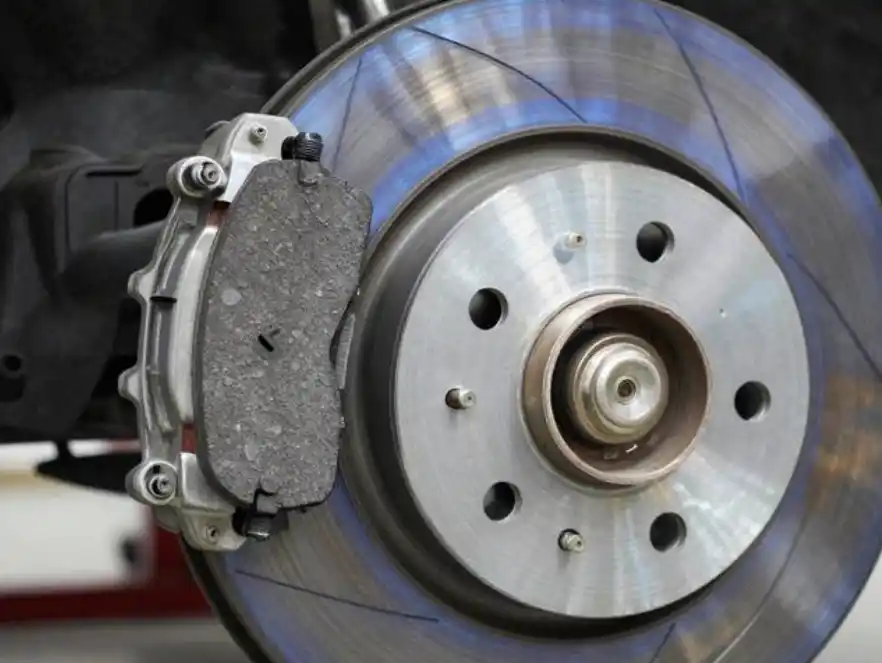
Manufacturers vary the metal content and friction materials to achieve specific performance characteristics. Many drivers choose semi-metallic pads for their braking performance, heat handling, and suitability for demanding driving conditions.
Benefits of Semi-Metallic Brake Pads
Strong Braking Performance
Semi-metallic brake pads can provide reliable braking under different driving conditions when drivers use the correct formulation for their vehicles.
Heat Handling
Many semi-metallic formulations handle higher braking temperatures effectively. This characteristic can make them suitable for certain performance vehicles or heavier applications.
Suitable for Demanding Driving
Depending on their design, semi-metallic pads can perform well in vehicles that experience frequent heavy braking or carry additional loads.
Potentially Lower Cost
Some semi-metallic brake pads cost less than comparable ceramic options. However, the actual price depends on the vehicle, brand, and product quality.
Disadvantages of Semi-Metallic Brake Pads
Semi-metallic pads also have a few drawbacks that drivers should consider.
- They often produce darker and more noticeable brake dust.
- Certain formulations may create more braking noise.
- Some pads may feel less smooth during low-speed braking.
- Their friction characteristics may increase rotor wear in certain applications.
If you prioritize quiet braking and clean wheels, these characteristics may influence your decision.
3. Ceramic vs. Semi-Metallic Brake Pads: Key Differences
Both ceramic and semi-metallic brake pads can deliver effective braking. However, their performance characteristics differ, so the best choice depends on your vehicle, driving habits, and maintenance priorities.
The following comparison highlights their main differences.
| Feature | Ceramic Brake Pads | Semi-Metallic Brake Pads |
|---|---|---|
| Material | Ceramic-based friction compound | Metal-containing friction compound |
| Brake dust | Generally less visible | Often more noticeable |
| Noise | Usually quieter | May produce more noise |
| Driving comfort | Smooth under normal conditions | Can feel more aggressive, depending on formulation |
| Heat handling | Suitable for many everyday applications | Often designed for demanding braking conditions |
| Rotor wear | Depends on the pad and rotor combination. | May be more abrasive in some applications |
| Price | Often higher | Can be more affordable, depending on product |
| Best suited for | Everyday commuting and comfort-focused driving | Certain demanding, performance, or heavier-duty applications |
Keep in mind that brake pad quality and formulation matter. A high-quality semi-metallic pad may perform better than a low-quality ceramic pad in a particular application.
4. Which Brake Pads Are Better for Houston Heat?
Houston’s warm climate, traffic congestion, and frequent braking make brake system maintenance important. However, outside temperature alone does not determine which brake pad performs best.
Braking heat, vehicle weight, driving style, brake system design, and pad formulation all influence performance. Therefore, drivers should consider their actual driving conditions instead of choosing a pad based only on Houston’s climate.
Ceramic Brake Pads in Houston
Ceramic pads can work well for drivers who primarily use their vehicles for commuting, city driving, and everyday highway travel.
They offer several advantages:
- Quiet operation.
- Less visible brake dust.
- Smooth braking during normal driving.
- Comfortable everyday performance.
For drivers who want cleaner wheels and a quieter driving experience, ceramic pads may be a practical choice if their vehicle supports this type of friction material.
Semi-Metallic Brake Pads in Houston
Semi-metallic pads may suit certain vehicles and drivers who experience more demanding braking conditions.
For example, some formulations offer:
- Strong braking performance.
- Effective heat management.
- Compatibility with certain heavier vehicles.
- Performance characteristics suited to demanding driving.
Nevertheless, Houston’s heat does not automatically make semi-metallic pads the better option for every car.
Choose brake pads according to your vehicle’s requirements and driving habits rather than temperature alone.
5. Which Brake Pads Are Better for Highway Driving?
Highway driving often involves fewer braking events than stop-and-go city traffic. However, heavy traffic, sudden slowdowns, and steep road conditions can still place additional demands on your braking system.
Ceramic Pads for Highway Driving
Ceramic brake pads may suit drivers who regularly travel on highways and prefer:
- Quiet braking.
- Less visible brake dust.
- Comfortable everyday stopping.
- Consistent performance during normal driving.
For regular commuting and moderate highway use, quality ceramic pads can work very well when they meet your vehicle’s specifications.
Semi-Metallic Pads for Highway Driving
Semi-metallic pads may be worth considering if you:
- Drive a heavier vehicle.
- Frequently carry additional loads.
- Experience repeated heavy braking.
- Need a pad formulation designed for demanding conditions.
However, highway driving alone does not require semi-metallic brake pads. Your vehicle and braking requirements should guide the decision.
6. Which Brake Pads Produce More Brake Dust?
Brake dust is a normal byproduct of braking. As brake pads create friction against rotors, tiny particles can accumulate on your wheels.
Ceramic brake pads generally produce less visible and lighter-colored dust than many semi-metallic alternatives.
Ceramic Brake Dust
Ceramic pads often appeal to drivers who want cleaner wheels. Their lighter dust appears less noticeable, particularly on light-colored wheels.
Even so, ceramic pads still produce brake dust during normal operation.
Semi-Metallic Brake Dust
Semi-metallic pads usually produce darker, more noticeable dust. This buildup can become more visible on wheels, especially when you drive frequently in traffic or brake regularly.
If keeping your wheels clean is a priority, ceramic pads may offer an advantage. Nevertheless, brake dust should not be the only factor you consider when choosing brake pads.
7. How Long Do Ceramic and Semi-Metallic Brake Pads Last?
Brake pad lifespan varies significantly between vehicles and drivers.
Traffic conditions, vehicle weight, driving habits, pad quality, rotor condition, and braking frequency all affect how quickly brake pads wear.
Ceramic Brake Pad Lifespan
Ceramic pads can provide long service life under suitable driving conditions. However, their actual lifespan depends on the vehicle and the specific pad formulation.
Frequent braking, heavy loads, aggressive driving, and poor brake system condition can shorten their service life.
Semi-Metallic Brake Pad Lifespan
Semi-metallic pads can also last a long time when drivers use them correctly and maintain the braking system.
Their wear characteristics depend on the friction materials, rotor compatibility, driving conditions, and braking habits.
Instead of relying on a fixed mileage estimate, schedule regular brake inspections to determine when your pads need replacement.
8. How Much Does Brake Pad Replacement Cost in Houston?
Brake pad replacement costs depend on your vehicle, brake pad material, parts quality, labor, and whether other components require attention.
Ceramic pads often cost more than some semi-metallic alternatives. However, prices vary significantly by vehicle model and brand.
Additional repairs can also increase the total cost if the rotors, calipers, or brake hardware show signs of wear or damage.
When comparing brake pad replacement quotes, consider the following:
- Which brake pad brand and type will the shop install?
- Does the quote cover one axle or both?
- Does the price include labor?
- Will the technician inspect the rotors?
- Does the quote include brake hardware?
- Will the shop recommend any additional repairs?
A professional inspection helps you avoid unnecessary replacement costs while ensuring that your braking system works properly.
9. Which Brake Pads Should You Choose?
The best brake pads depend on your vehicle and driving habits. Therefore, consider how you use your car before choosing a friction material.
Choose Ceramic Brake Pads If:
- You primarily drive a passenger vehicle for everyday commuting.
- You prefer quieter braking.
- You want less visible brake dust.
- Your vehicle’s manufacturer approves ceramic pads.
- You prioritize comfort during daily driving.
Consider Semi-Metallic Brake Pads If:
- Your vehicle requires or supports a semi-metallic formulation.
- You frequently encounter demanding braking conditions.
- You drive a heavier vehicle or use it for certain performance applications.
- Heat handling and braking characteristics are important priorities.
- You need a brake pad suited to your specific driving requirements.
Ultimately, neither type is universally better. A properly matched brake pad delivers the friction characteristics, temperature performance, and compatibility your vehicle needs.
10. Get Brake Pad Replacement in Houston
Choosing between ceramic and semi-metallic brake pads is an important part of maintaining your vehicle’s braking system.
Ceramic pads may suit drivers who prefer quieter braking and less visible brake dust. Meanwhile, semi-metallic pads may work better for certain vehicles or demanding driving conditions.
If you are unsure which brake pad type your vehicle needs, a professional inspection can help you make an informed decision.
Zero Pull Alignment provides automotive services for drivers in Houston, TX.
Learn more about our ceramic brake pad replacement options and available Houston brake service to determine what your vehicle needs.
Call Zero Pull Alignment: (346) 916-2567
Get your brake system inspected and choose the right components for your vehicle, driving habits, and maintenance needs.
Frequently Asked Questions
1. Are ceramic or semi-metallic brake pads better?
Neither type is universally better. Ceramic pads often offer quieter braking and less visible brake dust, while semi-metallic pads may suit certain demanding applications. Your vehicle and driving conditions determine the best choice.
2. Do ceramic brake pads last longer than semi-metallic brake pads?
Lifespan depends on pad formulation, vehicle type, driving style, traffic, and maintenance. Ceramic pads may last longer in some situations, but they will not outlast every semi-metallic pad.
3. Are ceramic brake pads better for Houston heat?
Ceramic pads can perform well in many everyday driving applications. However, Houston’s climate alone does not determine the best brake pad. Consider your vehicle specifications, braking demands, and the pad’s operating range.
4. Do semi-metallic brake pads make more noise?
Semi-metallic pads may produce more noticeable braking noise than some ceramic pads. However, pad formulation, installation, hardware, rotor condition, and other factors also influence noise.
5. Which brake pads produce less dust?
Ceramic brake pads generally produce less visible brake dust than many semi-metallic pads. However, both types produce some dust during normal braking.
6. Are ceramic brake pads more expensive?
Ceramic brake pads often cost more than some semi-metallic options. Actual pricing depends on your vehicle, brand, pad quality, and installation requirements.
7. Can I switch from semi-metallic to ceramic brake pads?
In many cases, you can switch if the ceramic pads match your vehicle and meet the manufacturer’s requirements. Before changing pad types, check the vehicle specifications and the suitability of the replacement product.
8. Where can I get brake pad replacement in Houston?
Zero Pull Alignment provides automotive services in Houston, TX. Contact the shop to discuss your brake pad options and available inspection or replacement services.
